Part of a brand’s reputation isn’t just about the issues that customers experience. Now that you have a firm grip on what reputation PR is and why you need it, let’s look at examples of brands that got it right. Using a solution like Meltwater, corporate communications experts can gauge how certain brand management tactics might affect public perception.
Compared and analyzed campaign periods and used the data to prove marketing ROI to stakeholders. The good news is that benchmarking with what your competitors are doing to support their brand reputation is a great way to show that value and justify your strategy. Gartner research says that 68% of consumers now frequently wonder whether the content and information they see online is even real. According to ReviewTrackers — 45% of consumers say they’re more likely to visit a business that responds to negative reviews. Cryptiony used Brand24 to monitor both their brand mentions and keywords like ‘cryptocurrency tax.’ Within two years, their monitored reach grew 500×.
Establish guidelines for ensuring brand safety
By downloading this guide, you are also subscribing to the weekly G2 Tea newsletter to receive marketing news and trends. The leading online reputation management solutions how to handle trustpilot fake reviews mentioned here make staying visible (responsive), and in control easier without chasing reviews or bouncing between platforms. On implementation complexity specifically, NiceJob is the standout across the whole list. Birdeye is a close second; users repeatedly called it “easy to use” and “straightforward,” with most features accessible without a steep learning curve.
How your employees conduct themselves online and in person also impacts your brand’s reputation. Agorapulse offers basic reputation management features in a more accessible package for smaller organizations. You can use it to set up automated responses for common questions — route messages to team members with relevant expertise, and measure response performance with built-in analytics. This could be Google, Yelp, or industry-specific platforms or directories like Tripadvisor, Angi, or G2.
Build Authority Influencer & Content Marketing Increases reach and credibility by amplifying authentic voices and sharing stories that position your brand as a key opinion leader. Measure Perception Audience & Sentiment Analysis Tools Researches tone, reach, and engagement to show how people feel about your brand and where sentiment is shifting. Brand management firms like Meltwater put advanced industry tools to work for clients.
How can you create your management philosophy — master the ability to make an impact beyond your business and make it work for you? In 2025, brands will prioritize supply chain transparency to meet consumer demands for ethical practices and sustainability while complying with stricter regulations. This focus addresses consumer demand for impactful change, showcasing accountability and innovation while aligning with societal expectations for measurable environmental and social progress.
Care about delivering exceptional customer experience for your buyers? A seamless, positive customer experience can actually shorten the time it takes to make a purchasing decision. Reports suggest 73% of people see customer experience as a key factor in their purchasing decisions.
Benefits of a Strong Brand Reputation
Prioritizing customer advocacy and actively managing your online reputation is crucial.

Purchasing choices are affected by trust
For instance — producing videos that highlight your brand’s mission, values, and positive effects on customers, employees, or the community is a viable option. Upon entering the brand’s name into Google (results will direct you to its homepage), articles from its website, and significant stories from external sources. Any business aiming to thrive in the digital realm must prioritize effective online reputation management (ORM). Let’s examine the significance of online reputation management and the steps to develop a strategy that fortifies your business against potential threats to its brand image. Developing a strategy for online reputation management can prepare your brand for negative scrutiny or help in mitigating its effects.
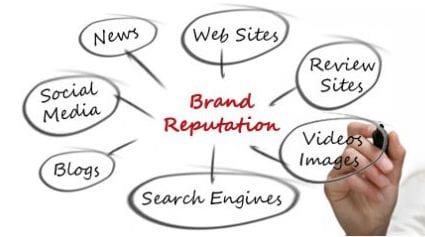
From social media management and landing page creation to online review gathering and audience analytics, Mailchimp provides the resources you need to manage your brand’s online presence. This proactive approach to online reputation management helps businesses maintain a positive brand image and build trust with their audience by demonstrating responsiveness and accountability. By regularly monitoring review sites (social media platforms), and other online channels, businesses can quickly respond to reviews, address customer feedback, and protect the brand from any misinformation or negative press that may arise. Monitoring online reviews and mentions is essential for staying informed about what consumers are saying about your brand online. With so many people shopping and researching products and services online, the right tools can help you build an online identity that consumers are proud to do business with. Monitoring customer feedback channels such as online reviews (social media comments), and customer service interactions can help you identify common themes, sentiment trends, and areas of concern.
An effective response to a review ought to be personalized (ideally addressing the customer by their name), and should express sincere gratitude for their input. The goal is to motivate guests to recount their authentic experiences in ways that align with SGE’s requirements for specificity and personalization, ultimately guiding them to provide reviews that emphasize this critical element of your hotel.

Listen enables you to identify trends regarding public sentiment towards your brand — products, and competitors in real time, allowing for quicker reactions. Brandwatch’s Listen module, developed by Brandwatch, surveys 100 million online sources to track brand mentions. It addresses vital issues for brands aiming to excel in social media. The principles of online reputation management remain consistent whether assessing your individual name or your business’s reputation.
When effectively utilized, online reviews have the potential to serve as potent tools for managing brand reputation, significantly enhancing customer trust and confidence while improving competitive positioning. An immediate and calculated feedback response strategy is vital for fostering brand loyalty and preventing online reputation crises from escalating. Even if a problem cannot be resolved or isn’t immediately addressable, it is important to demonstrate that you are attentive and prioritizing the concerns of individuals. This procedure at the very least informs your marketing team and aids in avoiding damaging online surprises that could harm your brand’s reputation. Although these “best practices” may not guarantee success, they can provide your brand’s reputation management initiatives with crucial support in a turbulent online landscape. While social media (review platforms), and search results significantly influence the reputation equation, the way they collectively shape your company’s image and standing among stakeholders remains a major uncertainty.
Reputation.com provides a platform driven by AI for managing enterprise reputation experiences. The platform consolidates reviews from over 100 sites and offers in-depth analytics. It caters to large organizations requiring thorough monitoring along with PR evaluation. Each option addresses a specific need, making the “best” choice contingent on your unique circumstances. The selected tools are based on factors such as coverage of review sites, capabilities for social monitoring, user-friendliness, and integration possibilities.